

In the fast-evolving Packaging Film industry, mini Stretch Film (often referred to as mini Stretch Wrap) has emerged as a niche but high-growth segment, addressing the unmet needs of small-batch packaging. Unlike full-size Stretch Film rolls that waste material for small loads or heat-dependent Shrink Wrap that adds operational complexity, this compact solution balances efficiency, portability, and performance. As small businesses, e-commerce sellers, and household users increasingly seek tailored packaging, mini Stretch Film is redefining the role of Wrap Film in modern logistics—with its unique product strengths, shifting market dynamics, and promising future trends capturing industry attention.
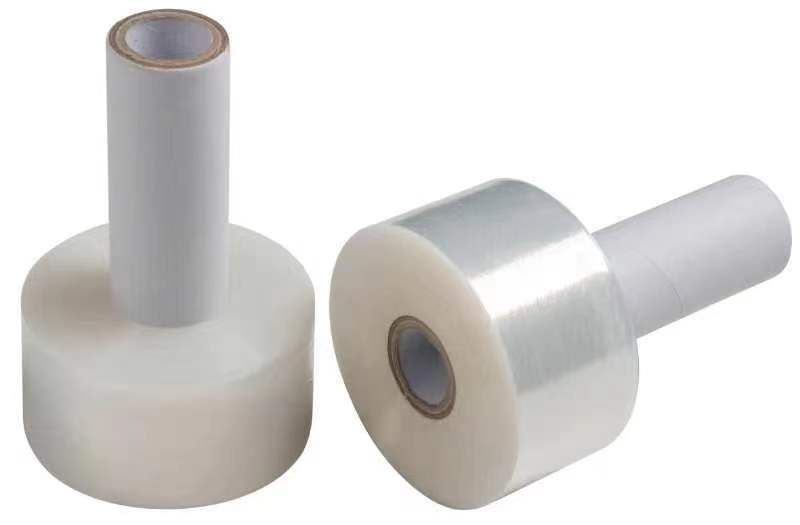
Product Highlights: Small Size, Big Value
Mini Stretch Film stands out from traditional Packaging Film with advantages tailored to small-scale use. First, space-saving and waste-reducing design: Typically 10-50 meters in length and 8-20 centimeters in width, it eliminates the excess material common with full-size Stretch Wrap—a critical benefit for e-commerce sellers wrapping individual parcels or small workshops bundling 1-2 cartons. Unlike bulky Wrap Film rolls that are hard to store, its compact size fits easily in retail backrooms or home storage, cutting inventory costs.
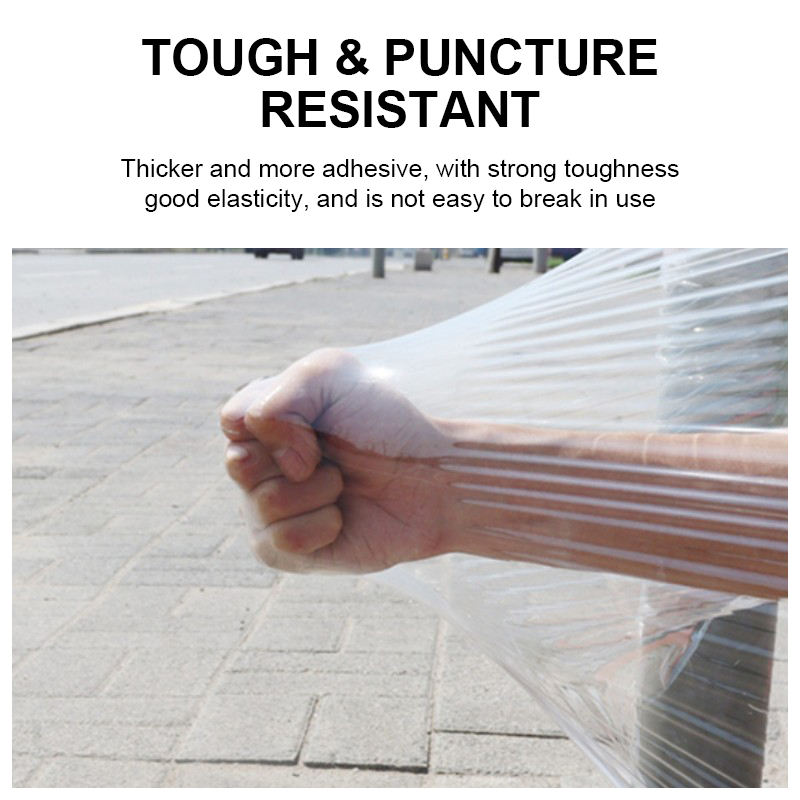
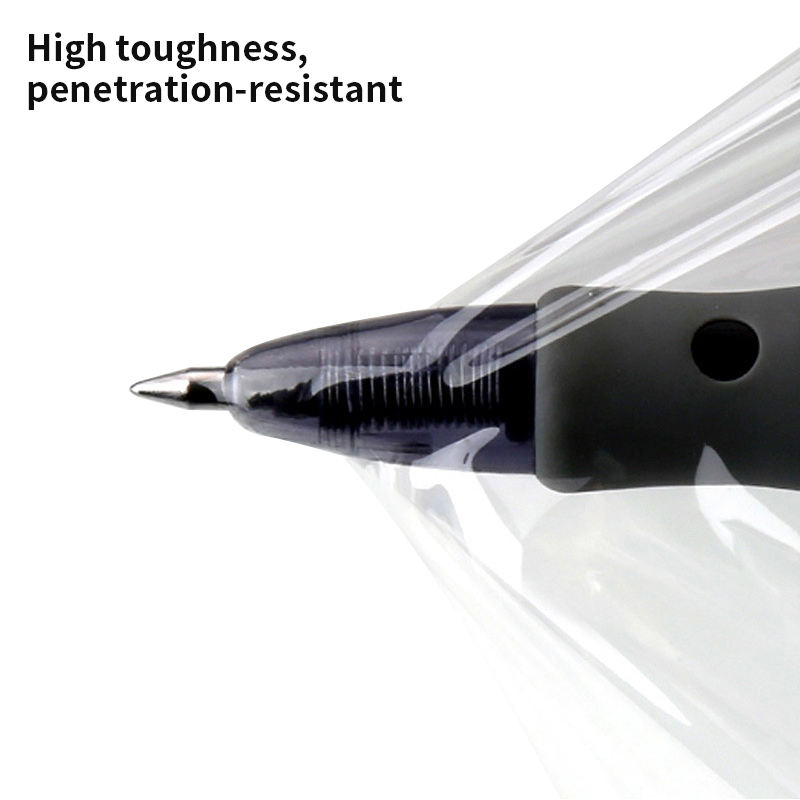
Second, uncompromised performance: Crafted from premium LLDPE, mini Stretch Film retains a 250-300% stretch ratio and basic waterproofing—on par with standard Stretch Film but more flexible than rigid Shrink Wrap. It secures small loads (e.g., electronics, handmade goods) without tearing, avoiding the heat damage risk of Shrink Wrap when packaging heat-sensitive items like cosmetics or food samples. For example, a small bakery using mini Stretch Film to wrap 6-pack pastries can protect freshness while skipping the energy-consuming heat sealing of Shrink Wrap.
Third, user-friendly versatility: It works with manual application (no specialized tools needed), making it accessible to small businesses and even households. Unlike industrial Packaging Film that requires machines, mini rolls let users wrap items on-demand—whether a seller preparing a single online order or a homeowner securing seasonal decor for storage.
Market Pattern: Driven by Small-Scale Demand
The global mini Stretch Film market is expanding rapidly, fueled by two key drivers. First, e-commerce and micro-business growth: With 60% of global retail sales expected to come from e-commerce by 2027, small sellers (e.g., Etsy artisans, local online stores) are adopting mini Stretch Film to replace inefficient Wrap Film or costly Shrink Wrap. Asia-Pacific leads this demand, accounting for 58% of global sales—thanks to dense networks of small manufacturers in China, India, and Southeast Asia.
Second, shifting consumer preferences for sustainable, tailored packaging: Unlike non-recyclable Wrap Film or energy-heavy Shrink Wrap, eco-friendly mini Stretch Film (made from recyclable LLDPE) aligns with consumer demands for green packaging. In Europe and North America, 42% of small businesses prioritize mini Stretch Film over other Packaging Film for its lower carbon footprint, according to a 2024 industry report.
Regionally, the market is fragmented but growing: Local manufacturers dominate in Asia-Pacific (offering affordable basic variants), while Western brands focus on premium eco-friendly mini Stretch Wrap (e.g., biodegradable options). Major players like 3M and Berry Global have also launched mini lines to tap into the $800 million market, which is growing at a CAGR of 8.3%—faster than the 6.1% growth of full-size Stretch Film.
Future Trends: Sustainability and Customization to Lead
The future of mini Stretch Film will be shaped by two transformative trends. First, sustainability upgrades: As global plastic waste regulations tighten (e.g., EU’s Single-Use Plastics Directive), manufacturers will scale production of biodegradable mini Stretch Film—using bio-based LLDPE that breaks down in 12 months. These variants will outperform non-eco Wrap Film and Shrink Wrap, catering to eco-conscious small businesses and households.
Second, customization and smart features: To compete with generic Packaging Film, brands will offer mini Stretch Wrap with custom prints (e.g., logos, QR codes) for small sellers looking to boost brand visibility. Tech integration—such as moisture-sensing strips for food packaging—will also turn mini Stretch Film into a “smart” solution, surpassing the basic functionality of traditional Wrap Film.
Industry forecasts predict the market will reach $1.3 billion by 2030, with mini Stretch Film capturing 15% of the global Stretch Film segment. As it balances size, sustainability, and performance, it will continue to replace outdated Wrap Film and Shrink Wrap—proving that small-scale packaging solutions can drive big changes in the global Packaging Film industry.