

Clear BOPP (Biaxially Oriented Polypropylene) packing tape is a staple for e-commerce businesses, warehouses, and home users alike, thanks to its durability, transparency, and strong sealing capabilities. However, improper application often leads to wrinkles, weak adhesion, and compromised package security—issues that can cause shipping delays, product damage, or customer complaints. Mastering the art of applying clear BOPP packing tape is simple with these expert tips, designed to ensure a smooth, secure seal every time.
First, prepare the surface thoroughly. BOPP tape adheres best to clean, dry, and dust-free surfaces. Grease, moisture, or debris on cardboard boxes or packaging materials creates a barrier, preventing the tape from bonding effectively. Wipe down the sealing area with a dry cloth to remove dust, and ensure the surface is completely dry—even minor dampness can weaken adhesion over time. For recycled cardboard, which may have uneven textures or residual contaminants, lightly sanding the sealing edge (if possible) can improve tape contact.
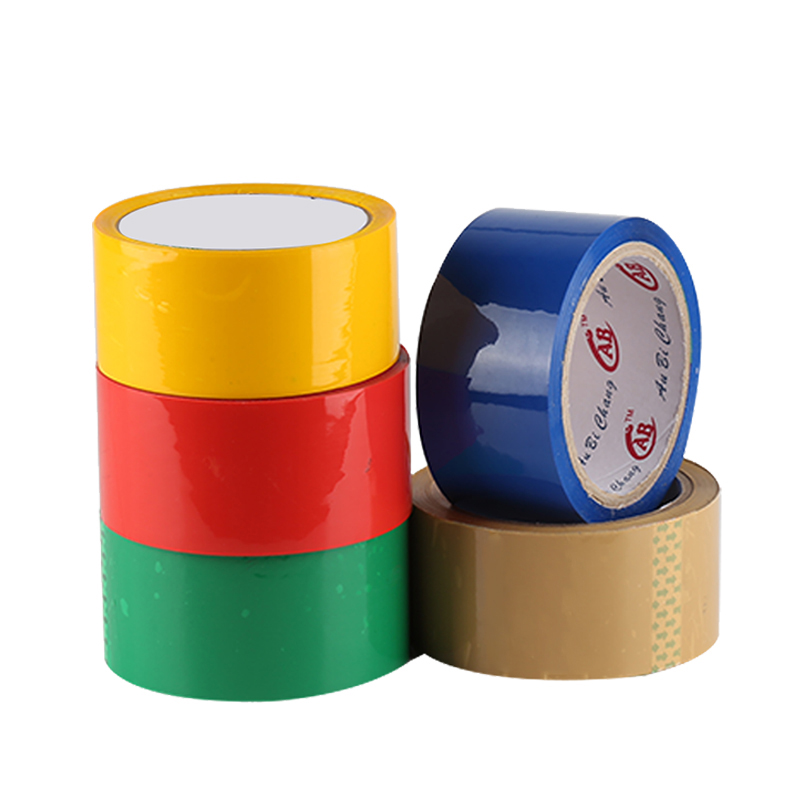
Choose the right tape and tools for the job. Not all clear BOPP packing tapes are created equal: opt for a high-quality tape with a strong adhesive layer, matched to your packaging needs. Heavy-duty boxes require a thicker tape (2.7mil or higher), while lighter items can use standard 2.0mil tape. Using a tape dispenser is non-negotiable for smooth application—manual tearing often results in uneven edges and wrinkles. A good dispenser ensures consistent tension, allowing the tape to lay flat without air bubbles or creases.
Apply with steady pressure and proper technique. Start at one edge of the box seam and align the tape evenly, pressing down firmly as you unroll it along the seam. Avoid pulling the tape too tightly, as this can stretch it—when the tape contracts, it creates wrinkles and gaps. For a secure seal, overlap the tape by at least 1 inch on each side of the seam. After application, run a flat tool (like a ruler or the edge of the dispenser) along the tape to press out any trapped air bubbles, ensuring full contact with the surface.
Mind environmental conditions. Temperature and humidity impact BOPP tape adhesion significantly. Apply tape in a controlled environment—ideal temperatures range from 60°F to 80°F (15°C to 27°C). Avoid applying tape in cold, damp spaces, as low temperatures stiffen the adhesive, reducing its ability to bond. If storing taped packages, keep them away from extreme heat or moisture, which can degrade the adhesive over time and cause the tape to peel.
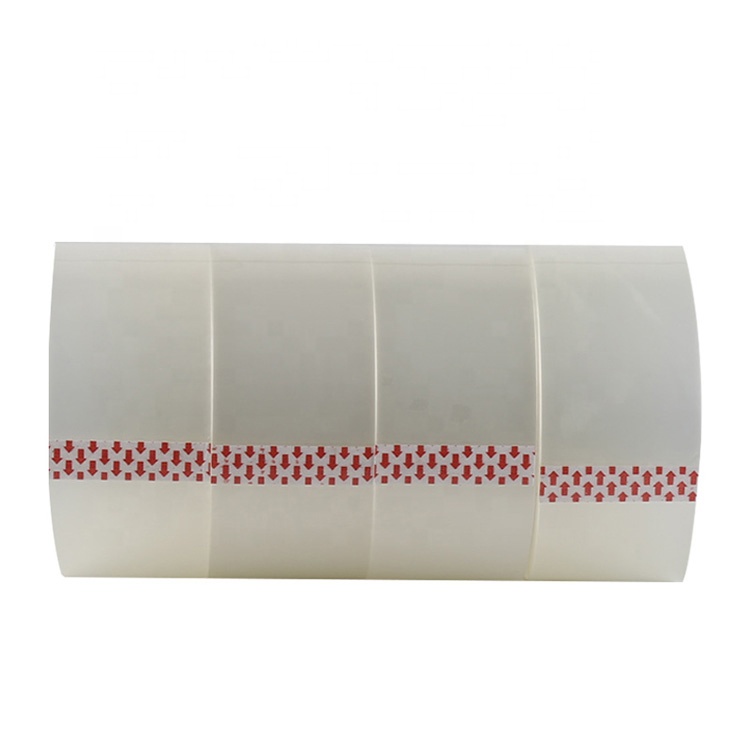
Fix common application mistakes promptly. If wrinkles occur, gently lift the tape near the wrinkle (taking care not to tear the packaging) and reapply with lighter tension. For weak adhesion on rough surfaces, double-layer the tape or use a BOPP tape with a high-tack adhesive. Never apply tape over existing wrinkles or bubbles, as this amplifies the issue and compromises the seal.
By following these tips, you’ll maximize the performance of clear BOPP packing tape, ensuring your packages stay secure during transit while maintaining a professional appearance. High-quality application not only prevents damage but also saves time and costs associated with re-packaging. Invest in quality tape, use the right tools, and prioritize surface preparation—your shipments will thank you.