

Global environmental regulations and consumer green awareness have completely reshaped the retail packaging industry in recent years. More international retail groups, cross-border e-commerce platforms, and fast-moving consumer brands have launched strict sustainable packaging policies. Non-recyclable packaging materials are gradually phased out of global supply chains, while eco-friendly, reusable, and fully degradable packaging solutions have turned into essential compliance indicators for brand certification, supplier audits, and market access. Among all green packaging options, recyclable paper packaging containers have become the most recognized standard for standardized retail logistics and product packaging.
Sustainability and cost efficiency are the two core reasons why major retailers prioritize eco-friendly packaging upgrades. Traditional plastic and composite packaging generate massive non-degradable waste, leading to high recycling costs and environmental penalties for enterprises. In contrast, modern recyclable paper packaging adopts pure plant fiber raw materials and low-carbon production processes, supporting full recycling and natural degradation. Many international retail giants have clearly stipulated that all store distribution and express delivery packaging must meet 100% recyclable standards, pushing upstream manufacturers to comprehensively upgrade production processes and material formulas. Cardboard packing boxes have become the most basic and widely adopted green packaging alternative in daily retail distribution scenarios.
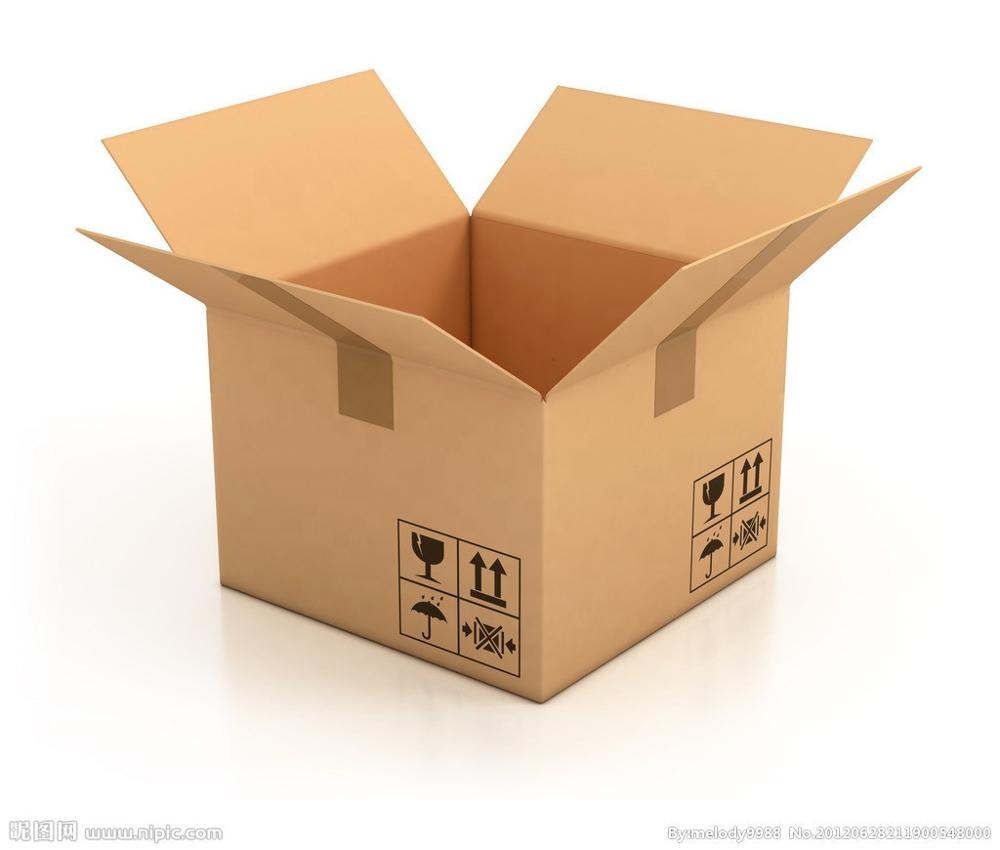
Standardized recyclable packaging also greatly improves the sustainability of cross-border logistics operations. With the rapid expansion of global retail trade, product transportation and commodity circulation generate countless packaging wastes every year. Traditional packaging structures are complicated to disassemble and difficult to reuse, causing huge resource loss. Optimized eco-friendly paper packaging features simple structural design, pure single-material composition, and no composite chemical layers, which simplifies recycling sorting and secondary processing. For long-distance commodity transportation and batch cargo delivery, durable and recyclable cardboard shipping boxes effectively reduce corporate carbon footprints and help retail brands obtain global environmental compliance qualifications.
Brand image and market competitiveness further drive the popularization of green packaging standards. Modern consumers are increasingly inclined to choose brands with clear environmental awareness and sustainable development concepts. Green packaging is no longer a marginal marketing advantage but a basic brand responsibility. Many high-end retail and lifestyle brands integrate environmental design into product packaging strategies, abandoning over-packaging and non-recyclable accessories. Instead, they adopt minimalist, recyclable paper packaging structures that balance protection, aesthetics and environmental performance. Personalized shipping boxes with eco-friendly printing and recyclable structures allow brands to achieve customized marketing while complying with global green packaging regulations.
Looking ahead, recyclable packaging compliance will continue to raise industry thresholds for global retail. As carbon neutrality goals advance worldwide, environmental inspection standards for packaging will become more rigorous, and recyclable paper packaging will completely replace non-environmental packaging as the industry mainstream. Continuous upgrades in paper material technology and structural design will further enhance the load-bearing, shockproof and durable performance of green packaging, fully adapting to diverse retail scenarios from daily commodity sales to cross-border logistics distribution, helping global retail brands achieve long-term sustainable development.