

In the field of packaging materials, BOPP tape (biaxially oriented polypropylene tape) – a key product – is undergoing rapid transformation and development. Renowned for its high strength, excellent flexibility, and outstanding weather resistance, BOPP tape is widely used in numerous industries such as packaging, logistics, and electronics. Recent industry advancements indicate that the BOPP tape sector is stepping into a new stage of growth.
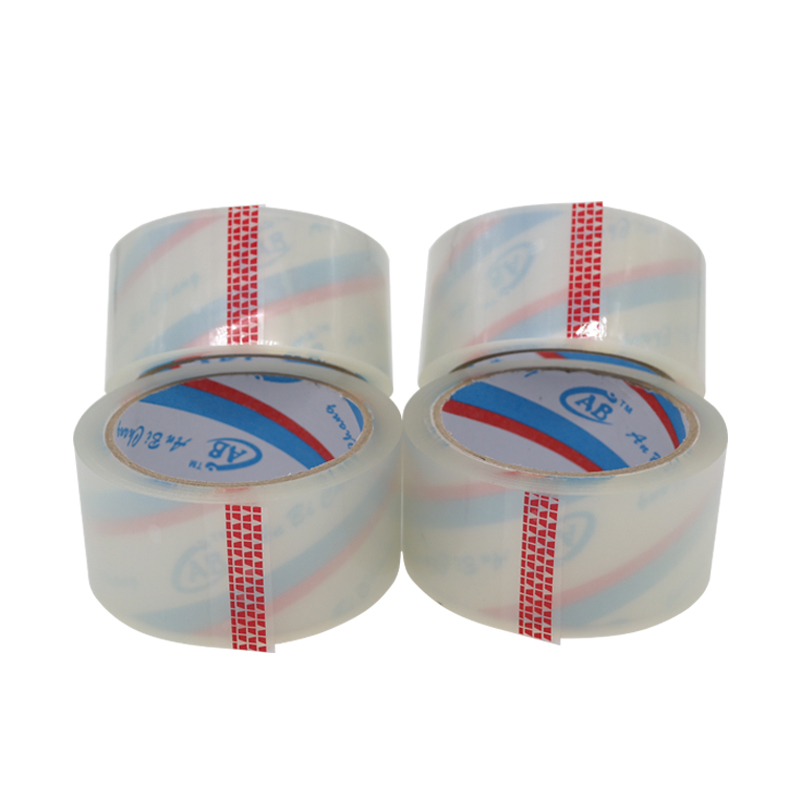
Technological Breakthroughs Drive Capacity and Quality Improvement
Leading domestic enterprises have achieved major breakthroughs in BOPP tape production technology. For instance, Guilin Electrical Equipment Scientific Research Institute Co., Ltd. developed China’s first 8.7-meter-wide BOPP synthetic paper biaxially oriented film production line for Jiangxi Heshuofeng New Material Co., Ltd., which has officially passed acceptance. This achievement breaks the long-term monopoly of foreign countries in the field of wide-width BOPP synthetic paper production equipment.
Previously, domestic enterprises relied on imported equipment, which not only incurred high costs and long delivery cycles but also restricted technological upgrades. The successful application of this domestic equipment not only enhances production efficiency but also elevates product quality to the international advanced level, providing strong support for enterprises to reduce costs and improve market competitiveness.
In addition, some enterprises have optimized production processes – such as improving coating technology – to make the adhesion of BOPP tape more uniform and durable, meeting the strict sealing requirements of different industries. In the logistics sector, high-strength and high-adhesion BOPP tape ensures the packaging integrity of large and heavy goods during long-distance transportation, effectively reducing the risk of cargo damage.
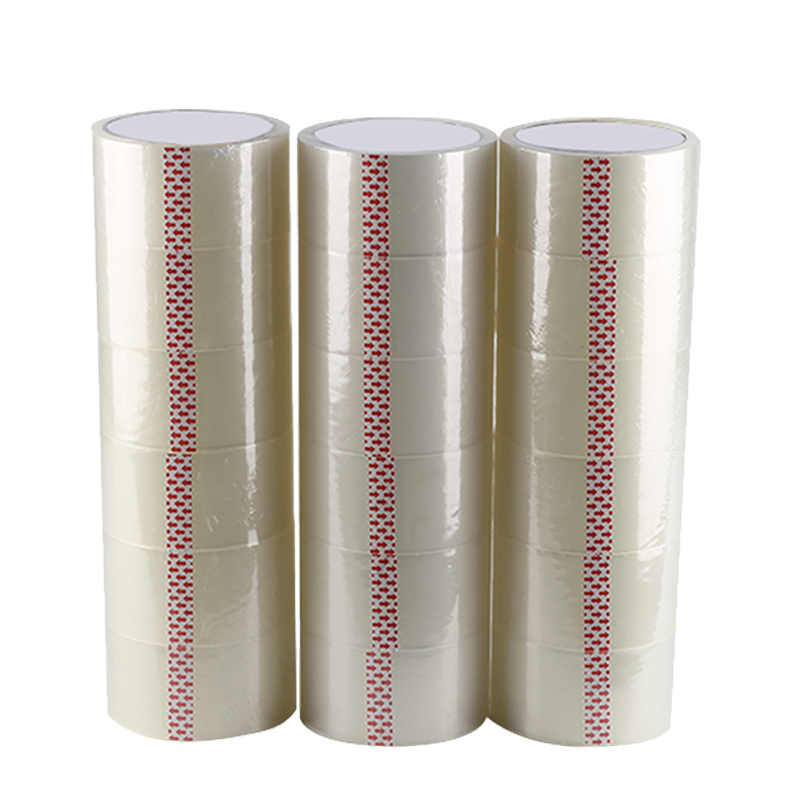
Eco-Friendly BOPP Tape Emerges Prominently
As global attention to environmental protection continues to rise, the BOPP tape industry is also actively responding to the call for green development. Enterprises have invested heavily in R&D to launch eco-friendly BOPP tape products. Some enterprises use biodegradable materials to produce BOPP films, reducing the long-term environmental pollution caused by traditional plastic tapes.
In the production process, advanced waste gas and wastewater treatment technologies have been improved to minimize impacts on the surrounding environment. The BOPP film and special tape production project of Guangdong Friendship New Material Technology Co., Ltd. adopts advanced processes such as "secondary chilled water condensation + dry filtration + zeolite adsorption concentration + RCO" for waste gas treatment, ensuring that all types of waste gas meet emission standards. Meanwhile, wastewater is effectively treated and recycled.
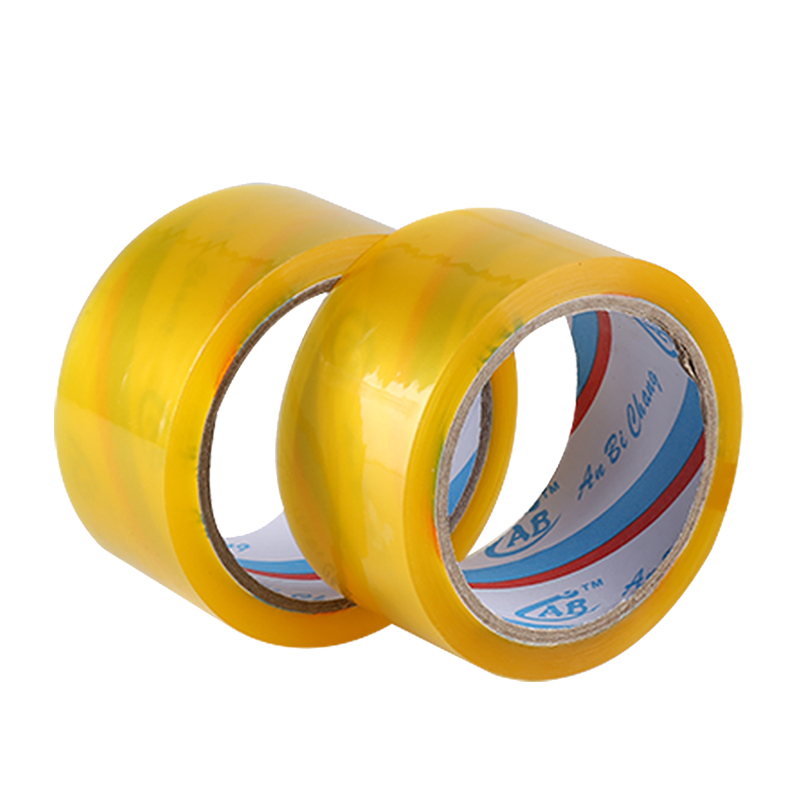
Growing Market Demand Spurs Accelerated Launch of Investment Projects
Sustained growth in market demand has injected strong momentum into the BOPP tape industry. According to monitoring data from China Post, the significant growth in China’s express delivery volume has driven up the demand for packaging BOPP tape. At the same time, the development of industries such as electronics and daily chemicals has also generated substantial demand for BOPP tape.
To meet market demand, enterprises have stepped up investment. Shandong Friendship Adhesive Technology Co., Ltd. invested 1.5 billion yuan to build a BOPP biaxially oriented film and special tape production base project, constructing 2 new BOPP biaxially oriented film production lines and 25 special tape coating production lines. After reaching full capacity, the project is expected to achieve annual sales revenue of 2.457 billion yuan and profits and taxes of 558 million yuan.
Industry experts stated that driven by technological innovation, environmental upgrading, and market demand, the BOPP tape industry will embrace broader development space. In the future, as industry competition intensifies, enterprises need to continuously improve their technological capabilities and optimize product structures to gain an advantageous position in the market.