

In today’s fast-paced supply chains, Stretch Film—commonly referred to as Stretch Wrap—has evolved from a simple packaging tool to an indispensable component for businesses worldwide. As a core type of Packaging Film, it outperforms alternatives like Shrink Wrap (which requires heat for sealing) by leveraging elasticity to secure loads, making it a go-to choice for efficiency and reliability. From small workshops to large manufacturing plants, this Wrap Film not only delivers practical benefits but also aligns with global sustainability goals, solidifying its role in modern packaging ecosystems.
Core Advantages: Why Stretch Film Stands Out Among Packaging Solutions
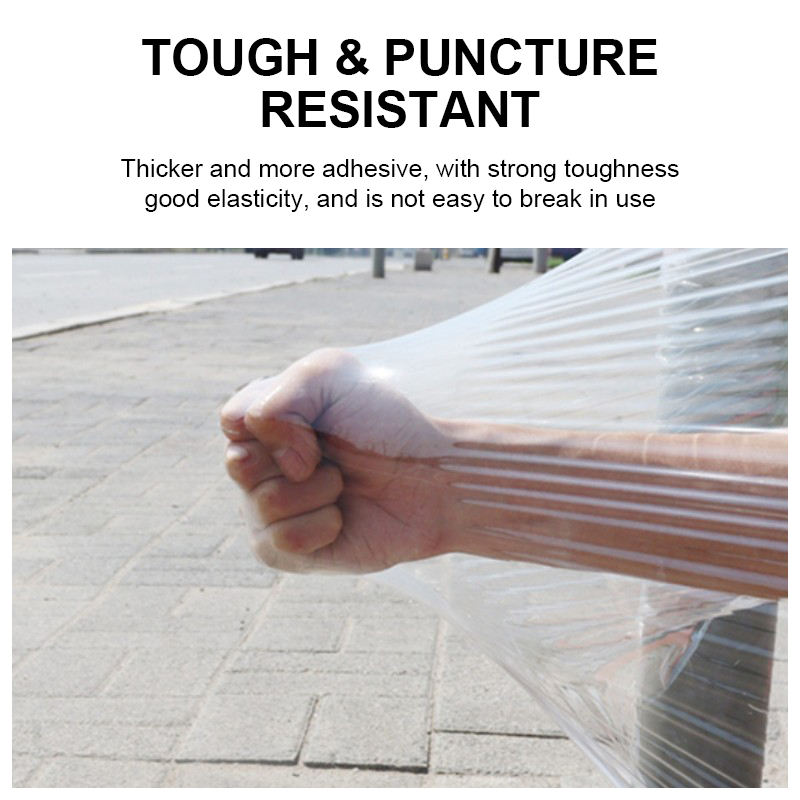
Stretch Film’s popularity stems from a suite of advantages that address key pain points in packaging. Unlike rigid Packaging Film or heat-dependent Shrink Wrap, it offers unmatched flexibility: its ability to stretch 100-300% of its original length allows it to conform tightly to irregularly shaped items—from pallets of machinery parts to bundles of consumer goods—preventing shifting and damage during transit.
Cost-effectiveness is another major draw. A single roll of Stretch Wrap covers more loads than traditional Wrap Film due to its high stretch ratio, reducing material waste and lowering long-term packaging costs. Additionally, it requires no specialized equipment (unlike Shrink Wrap, which needs heat guns or tunnels), making it easy for factories to adopt without extra investment. Its durability also shines: premium Stretch Film resists punctures, moisture, and dust, ensuring goods stay intact from factory floors to end customers.
Versatile Uses: How Stretch Film Meets Factories’ Diverse Needs
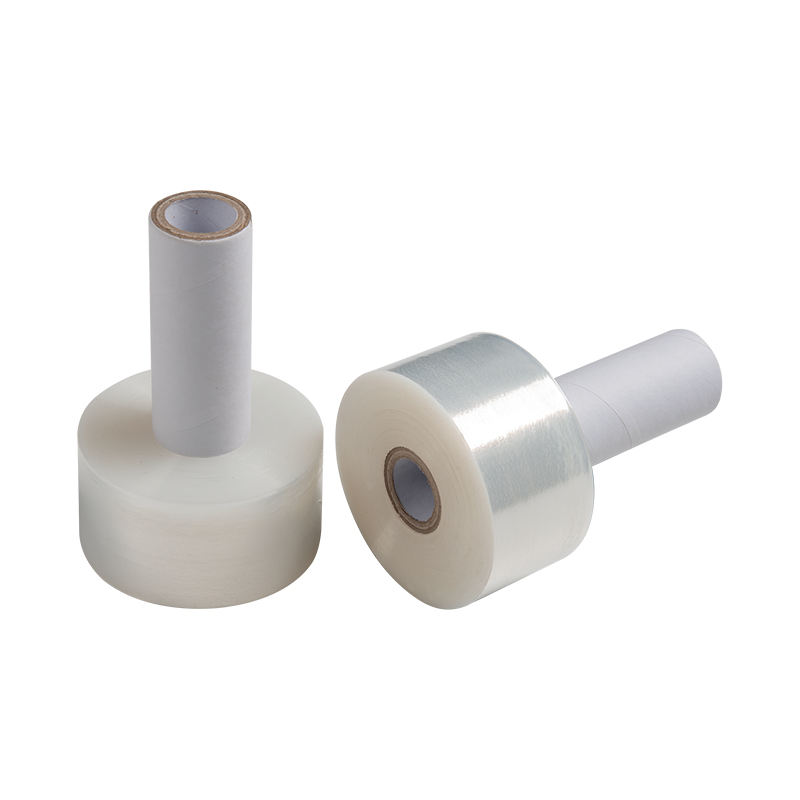
Factories across industries rely on Stretch Film to adapt to their unique packaging demands, proving its versatility. In automotive plants, it secures small batches of precision parts (e.g., bolts, sensors) in mini rolls, while in food processing facilities, food-grade Stretch Wrap protects pallets of perishables from contamination—all without compromising efficiency.
For factories with mixed production lines (handling both small components and large finished goods), Stretch Film eliminates the need for multiple Packaging Film types: thin-gauge variants work for lightweight items, while heavy-duty options handle bulky loads like appliances. E-commerce-focused factories also benefit, as branded Stretch Wrap doubles as a marketing tool, adding logos or safety labels to packages. This adaptability ensures factories of all sizes and sectors can streamline operations, replacing one-size-fits-all Wrap Film with a solution that scales to their needs.
Aligning with Global Sustainability: Stretch Film’s Eco-Friendly Evolution
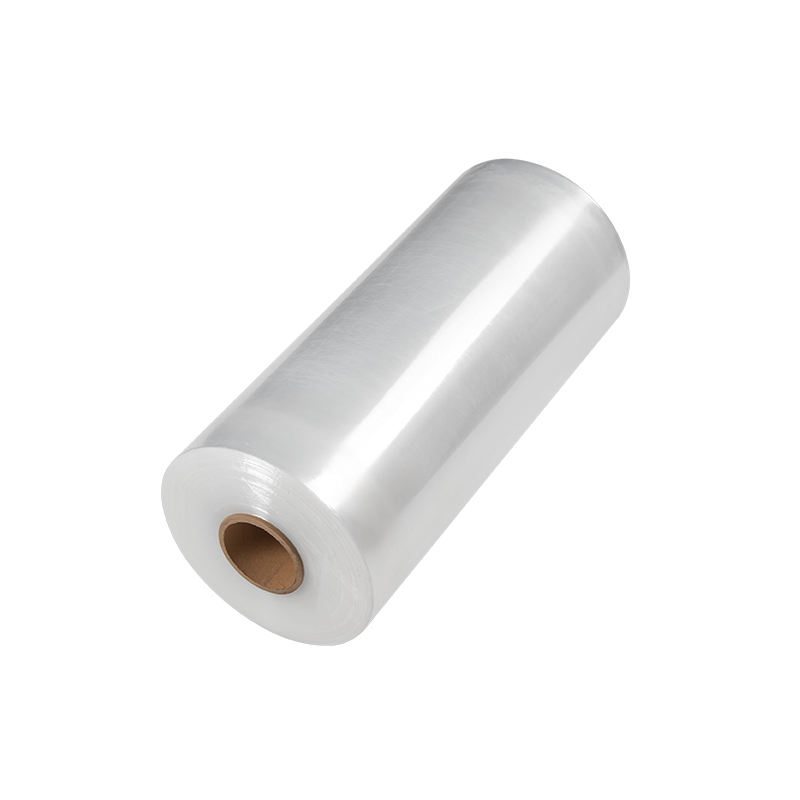
As the world prioritizes reducing plastic waste, Stretch Film has undergone a green transformation to meet global sustainability standards. Manufacturers now produce recyclable and biodegradable Stretch Film using plant-based resins or recycled plastics, addressing the environmental concerns of traditional Packaging Film. These eco-friendly variants retain the performance of conventional Stretch Wrap but break down naturally in industrial compost or can be recycled into new film, cutting carbon footprints by up to 40%.
Factories adopting these sustainable options not only comply with policies like the EU’s Single-Use Plastics Directive but also appeal to eco-conscious customers. Additionally, the high stretch ratio of Stretch Film reduces material usage: using less film per load means fewer plastics enter landfills compared to Shrink Wrap or disposable Wrap Film. This shift proves that sustainability and functionality can coexist, making Stretch Film a key player in building circular packaging economies.
Future Outlook: Stretch Film to Remain a Supply Chain Staple
With factories continuing to demand flexible, cost-effective, and sustainable packaging, the future of Stretch Film is bright. Industry forecasts predict the global Stretch Wrap market will grow at 6.2% annually through 2030, driven by innovations like smart film (with moisture or tamper sensors) and even more eco-friendly materials. As factories expand into global markets, Stretch Film’s ability to protect goods during long-haul shipping and adapt to local sustainability rules will keep it at the forefront of packaging solutions—solidifying its status as a must-have for modern supply chains.