

In the fragmented landscape of Packaging Film, colorful mini Stretch Film (often called colorful mini Stretch Wrap) has emerged as a dynamic niche, catering to the rising demand for small-batch, visually distinctive packaging. Unlike full-size Stretch Film that wastes material on tiny loads or heat-reliant Shrink Wrap that adds operational hassle, this compact, pigmented solution marries efficiency, aesthetics, and practicality. As small e-commerce sellers, artisanal brands, and household users prioritize both functionality and brand identity, colorful mini Stretch Film is redefining the role of Wrap Film—with its unique product strengths, shifting market dynamics, and promising future trends capturing industry attention worldwide.
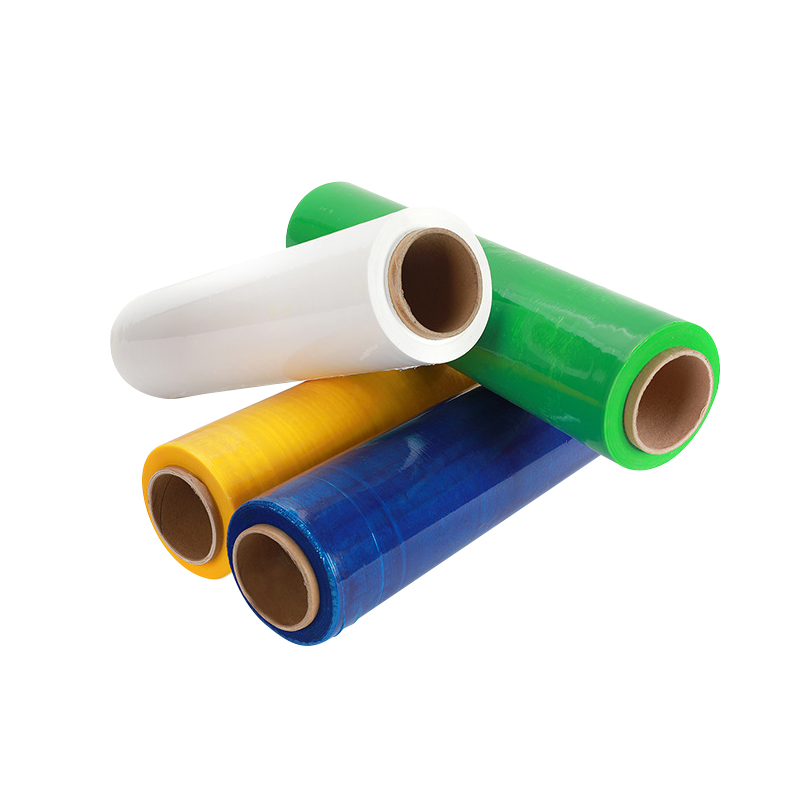
Product Highlights: Small Size, Big Impact
Colorful mini Stretch Film stands out from traditional Packaging Film with advantages tailored to small-scale needs. First, space-efficient, waste-reducing design: Typically 10–50 meters long and 8–20 centimeters wide, it eliminates the excess material common with full-size Stretch Wrap, cutting waste by up to 40% for users wrapping individual items (e.g., handmade jewelry, small electronics). Unlike bulky Wrap Film rolls that clutter small workspaces, its compact size fits easily in retail backrooms or home storage, a boon for micro-businesses and casual users alike.
Second, color-driven functionality: Infused with non-toxic, fade-resistant pigments (in hues from neon pink to forest green), it serves dual purposes: visual categorization (e.g., red for fragile goods, blue for new inventory) and brand visibility (customizable with small logos). This outperforms plain Stretch Film—which offers no differentiation—and avoids Shrink Wrap’s heat-related risk of color distortion, making it ideal for heat-sensitive items like cosmetics or baked goods.
Third, uncompromised performance: Crafted from lightweight LLDPE, it retains a 250–300% stretch ratio and basic waterproofing—on par with standard Stretch Film but more flexible than rigid Shrink Wrap. It secures small loads without tearing, and its gentle elasticity prevents scratches on delicate surfaces (e.g., painted ceramics), a flaw common in low-quality Wrap Film.
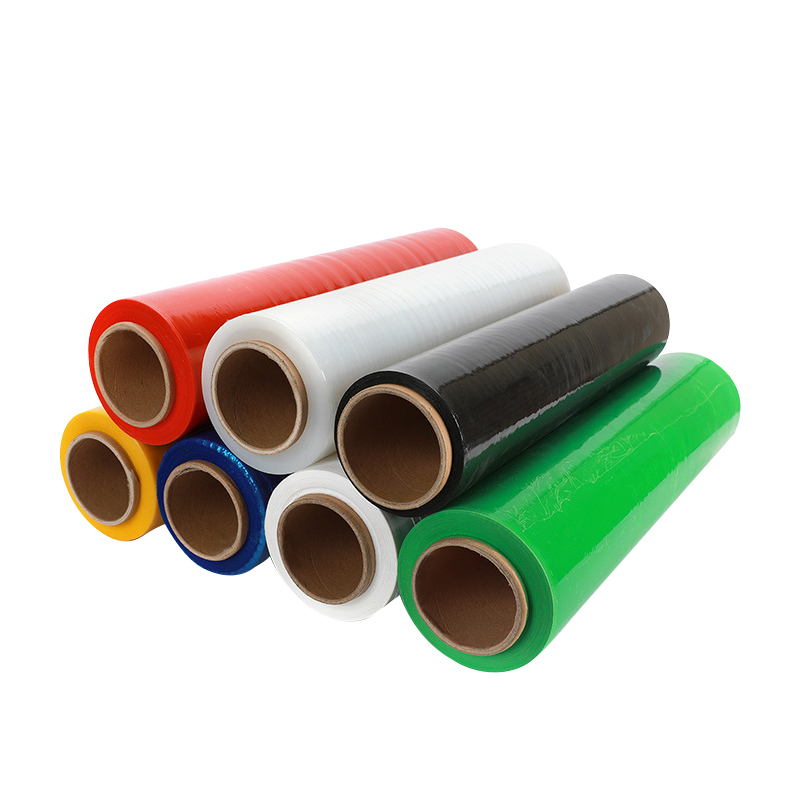
Market Pattern: Driven by Small-Scale Demand
The global colorful mini Stretch Film market is expanding at a CAGR of 9.1%, fueled by two key drivers. First, e-commerce and micro-business growth: With 70% of global retail startups operating as small-scale sellers (per 2024 Shopify data), demand for affordable, branded packaging has surged. These sellers prefer colorful mini Stretch Wrap over generic Wrap Film to make parcels stand out, and over Shrink Wrap to avoid investing in heat equipment. Asia-Pacific leads demand, accounting for 62% of sales—thanks to dense networks of artisans in China, India, and Southeast Asia.
Second, consumer preference for personalized packaging: In Europe and North America, 58% of shoppers associate vibrant packaging with artisanal quality (per Mintel), driving demand for colorful mini Stretch Film among local food producers (e.g., small bakeries wrapping cookie tins) and craft sellers. Regionally, the market is split: local manufacturers dominate Asia-Pacific with budget-friendly variants, while Western brands (e.g., Sealed Air’s mini line) focus on eco-friendly, printable options.
Notably, the market is also cannibalizing share from low-end Packaging Film—colorful mini Stretch Film now holds 12% of the global small-scale Stretch Film segment, up from 5% in 2020—thanks to its balance of cost and visual appeal.
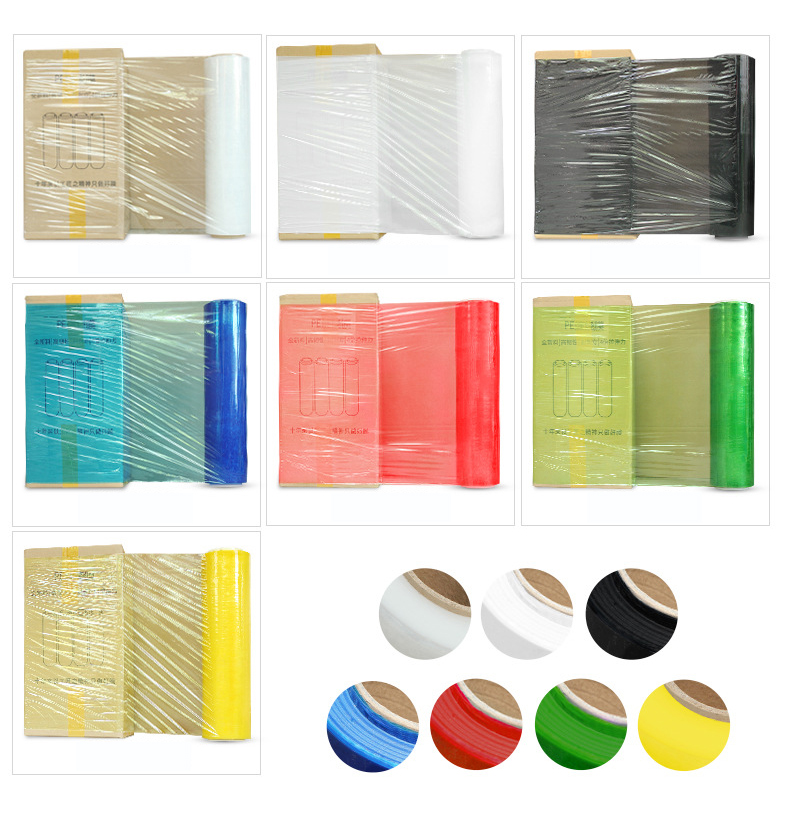
Future Trends: Sustainability and Innovation to Expand Reach
The future of colorful mini Stretch Film will be shaped by two transformative trends. First, sustainability upgrades: As global plastic regulations tighten (e.g., the EU’s Single-Use Plastics Directive), manufacturers will scale production of recyclable and biodegradable variants. These will retain vibrant colors and performance but meet standards like EU EN 13432, outperforming non-eco Wrap Film and Shrink Wrap (which is often non-recyclable due to heat-sealing additives).
Second, function integration: Brands will add smart features—such as QR codes (for product stories) or tamper-proof strips—to differentiate their offerings. For example, a small coffee roaster could use QR-enabled colorful mini Stretch Film to link customers to roast dates, turning packaging into a marketing tool. This will elevate it beyond basic Stretch Film to a “value-added” solution.
Industry forecasts predict the market will reach $980 million by 2030, with colorful mini Stretch Film capturing 18% of the global mini Packaging Film segment. As it balances size, sustainability, and aesthetics, it will continue to replace outdated Wrap Film and Shrink Wrap—proving that small-scale packaging can be both functional and visually impactful.