

Colored BOPP tape has evolved from a sealing tool to a visual bridge between brands and consumers. A Smithers analysis shows its global market will reach $1.8 billion by 2025, growing at a 9.2% CAGR since 2023, as industries use color for differentiation and efficiency.
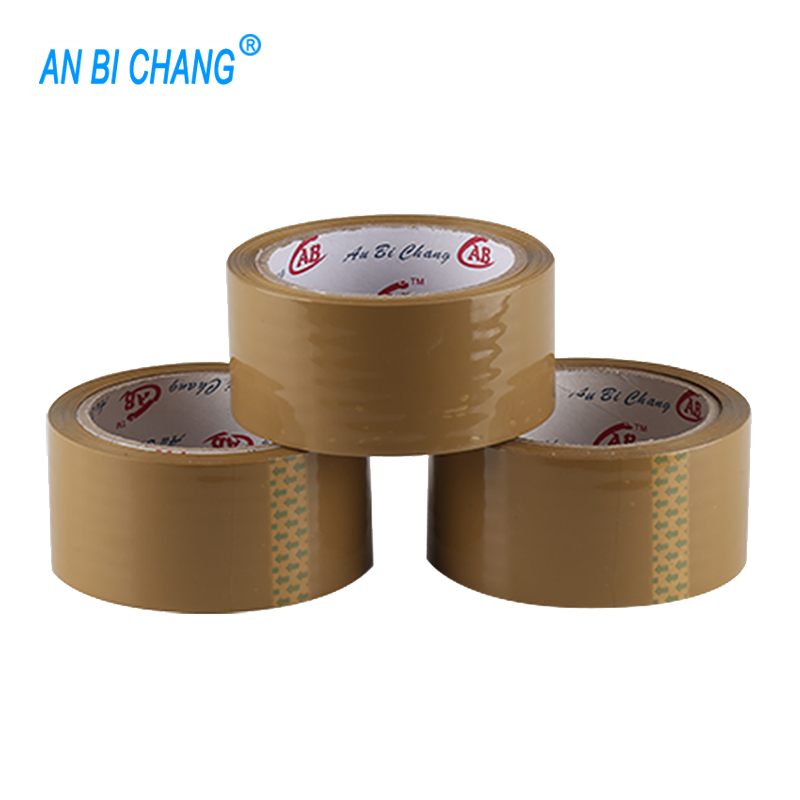
Consumers Fuel Demand
A 2024 survey of 5,000 e-commerce buyers found 68% saw colored tape as “more thoughtful,” with 42% sharing such unboxing moments online. Brands respond: Amazon uses signature orange tape, Alibaba green tape for “carbon-neutral shipping,” and Etsy jewelry sellers opt for metallic/pastel hues—many reporting 10-15% more repeat customers.
Logistics firms also benefit: DHL’s color-coded system (red for urgent, green for standard, purple for returns) cuts order processing time by 20%.
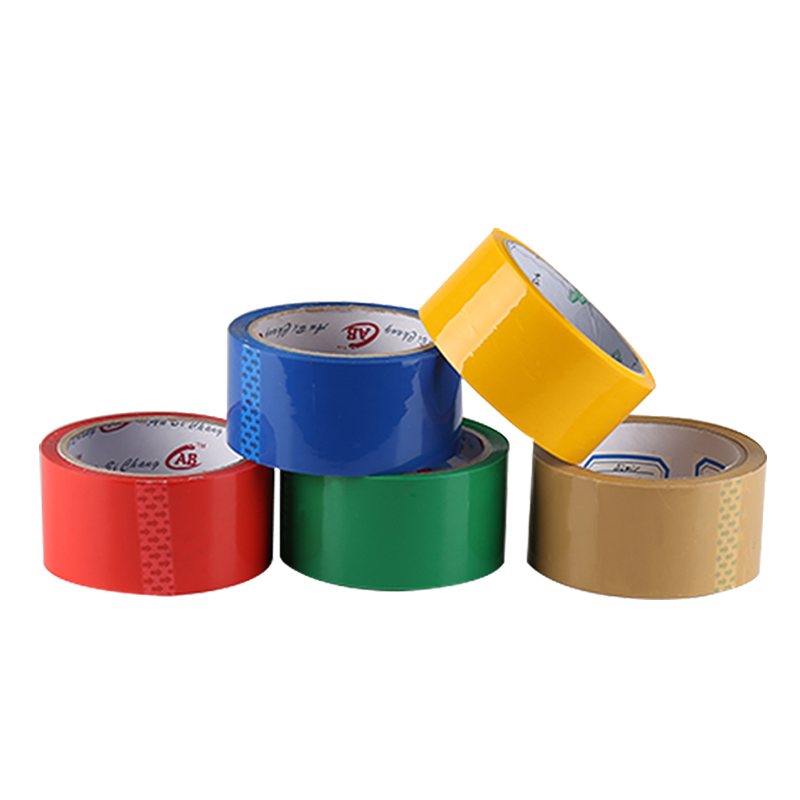
Tech: Eco & Durable Solutions
Sustainability drives innovation: Henkel’s EU ECOLABEL tape uses 30% recycled plastic (matching virgin strength), while China’s Jiangsu Youjia’s water-based ink tapes eliminate VOCs and decompose faster.
3M’s UV-resistant tape solves fading issues—agricultural suppliers use it for fertilizer bags, retaining brightness after months in sunlight.
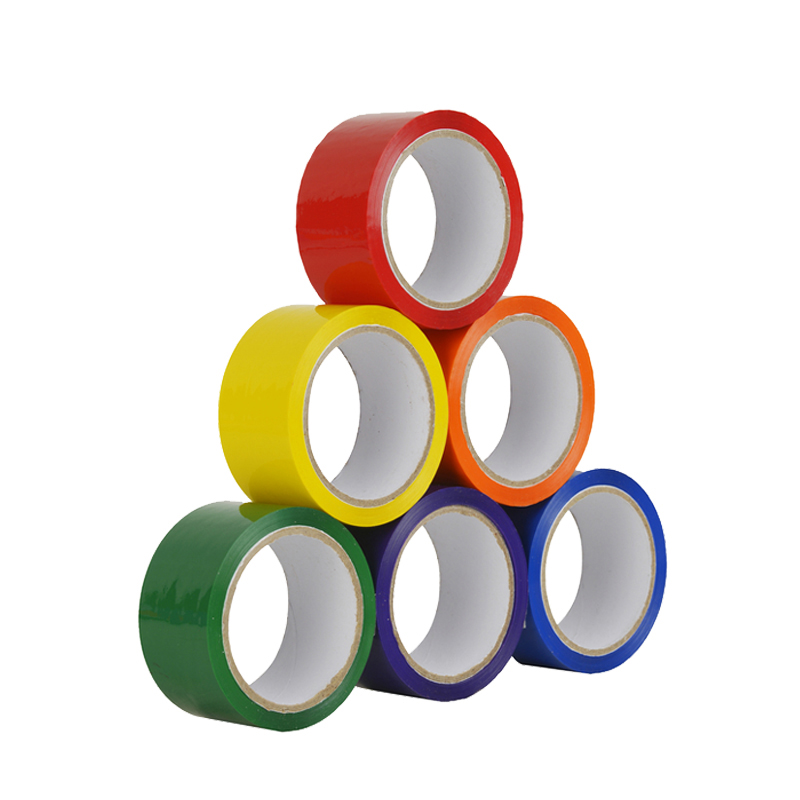
Regional Trends
Asia-Pacific leads with 58% of 2024’s global share (China’s manufacturing, India’s $350B 2025 e-commerce). Southeast Asia grows fast—Vietnamese electronics firms imported 14% more colored tape in Q1 2024.
Europe prioritizes eco-options (consumers pay 10-15% more); tesa launched “BioColor” with 25% sugarcane plastic. North America focuses on seasonality—Walmart plans 2025 holiday-colored tapes.
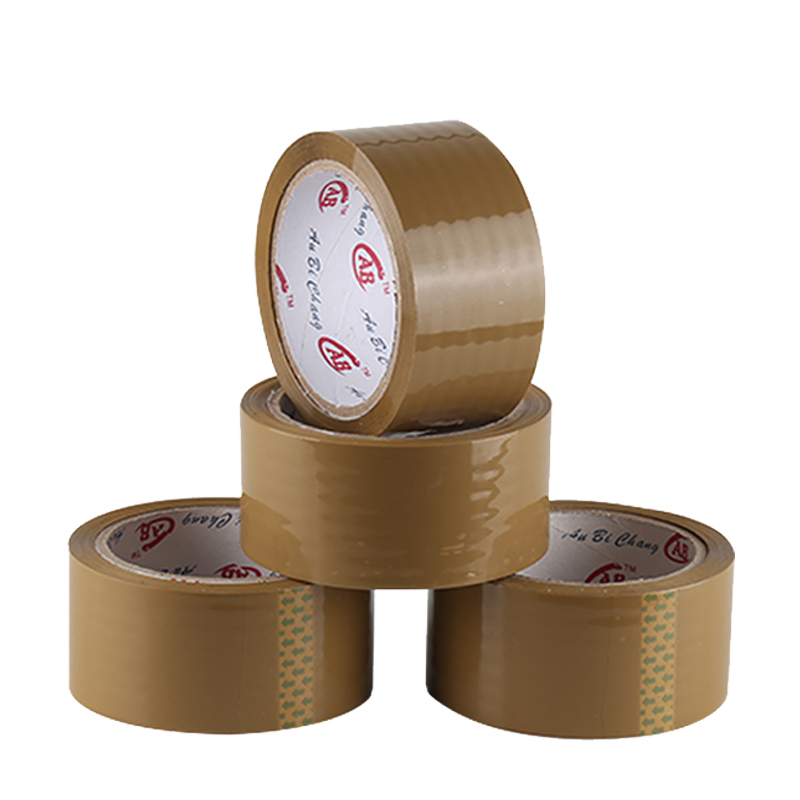
Future Outlook
By 2028, 35% of colored tapes may add smart features (QR codes, temperature sensors). By 2030, 18% could be plant-based (corn starch) amid stricter plastic rules.
“Colored tape is now a must-have,” says Smithers’ Clara Mendez. “It helps brands stand out, work smarter, and meet sustainability goals.”