

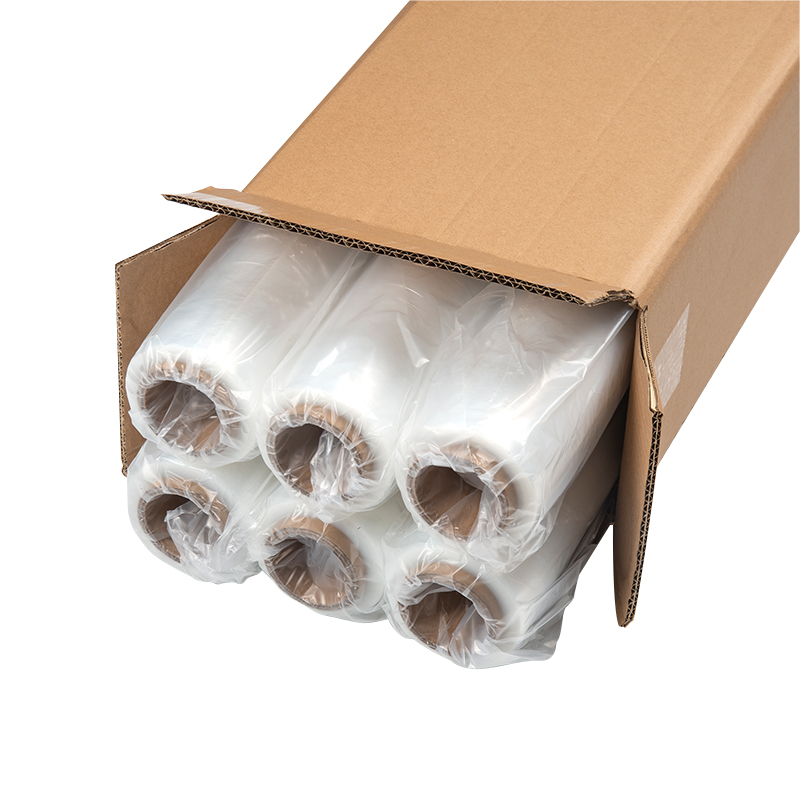
As global supply chains prioritize speed and cost-effectiveness, machine stretch film—a high-performance variant of Stretch Film—has emerged as a game-changer in the Packaging Film industry, with market demand projected to grow 7.2% annually through 2030, according to a new report by Smithers. Unlike manual Stretch Wrap, this automated solution streamlines pallet packaging for logistics, retail, and manufacturing sectors, addressing key pain points like material waste and labor costs while outperforming traditional Wrap Film in durability and load security.
E-Commerce and Automation Fuel Demand Surge
The rise of cross-border e-commerce and industrial automation is the primary driver behind machine stretch film’s growth. Major retailers and logistics firms (including Amazon and DHL) are replacing manual Stretch Wrap with automated systems paired with machine stretch film, cutting packaging time by up to 40%. “E-commerce order volumes have doubled since 2020, and manual wrapping can’t keep up,” says Maria Lopez, packaging analyst at Smithers. “Machine stretch film works seamlessly with high-speed wrapping lines, reducing labor needs while ensuring consistent load tightness—something generic Wrap Film or Shrink Wrap can’t match.”
Industrial manufacturers, too, are adopting the film to secure heavy or irregularly shaped cargo. Unlike Shrink Wrap, which requires heat guns (risking damage to sensitive goods like electronics or food), machine stretch film uses pre-stretch technology (reaching 300-350% elongation) to hug pallets tightly without extra equipment. This flexibility has made it a top choice for sectors ranging from automotive parts to pharmaceutical distribution.
Technical Advantages Outpace Traditional Packaging
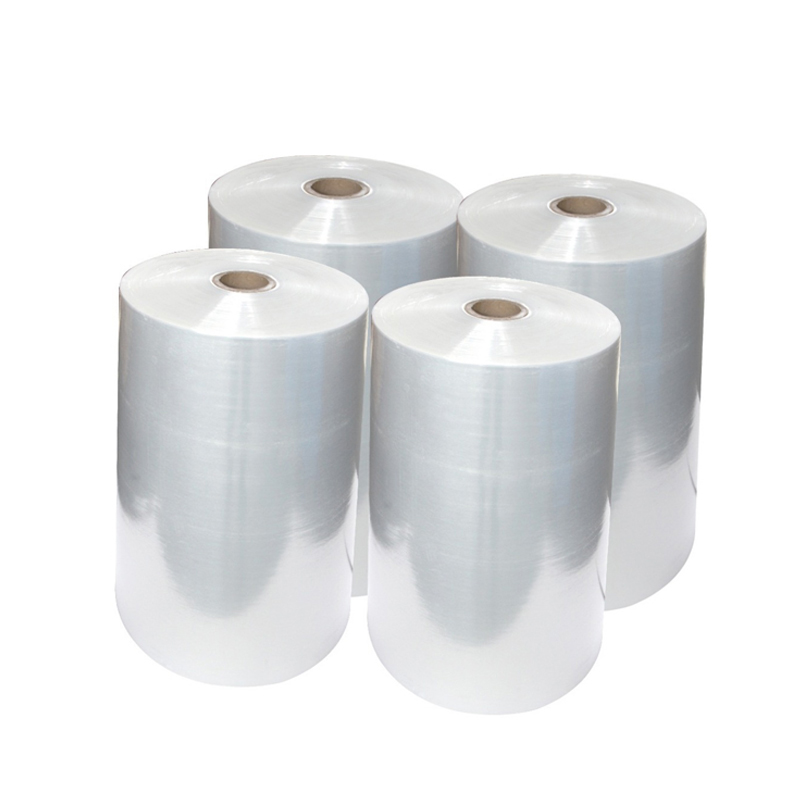
Machine stretch film’s technical edge over other Packaging Film options is clear. Its reinforced LLDPE construction resists punctures and moisture, outperforming thin Wrap Film that tears easily during transit. A 2024 study by the Packaging Association found that cargo wrapped with machine stretch film had a 28% lower damage rate compared to those using manual Stretch Wrap or Shrink Wrap.
Cost efficiency is another key benefit. Machine stretch film reduces material waste by 30% via precise pre-stretching, unlike manual Stretch Film (which often uses excess material). “For a mid-sized warehouse, switching to machine stretch film saves15,000−20,000 annually in material costs alone,” notes Lopez. Additionally, its compatibility with existing automated systems eliminates the need for expensive new equipment—unlike Shrink Wrap, which requires dedicated heat-sealing machinery.
Industry Applications Expand Beyond Logistics
While logistics remains the largest market, machine stretch film is gaining traction in niche sectors. In the food and beverage industry, food-grade variants (meeting FDA standards) are replacing Shrink Wrap for palletized dairy, frozen goods, and bottled beverages—avoiding heat-related spoilage and ensuring compliance with safety regulations. Electronics manufacturers use anti-static machine stretch film to protect circuit boards and appliances, a function traditional Wrap Film lacks.
Even the construction sector is adopting the film to secure pallets of steel pipes and cement bags. “Machine stretch film’s waterproof coating keeps materials dry during outdoor storage, which is a huge improvement over generic Packaging Film,” says Juan Martinez, operations manager at a U.S.-based construction supply firm.
Future Focus: Sustainability and Smart Features
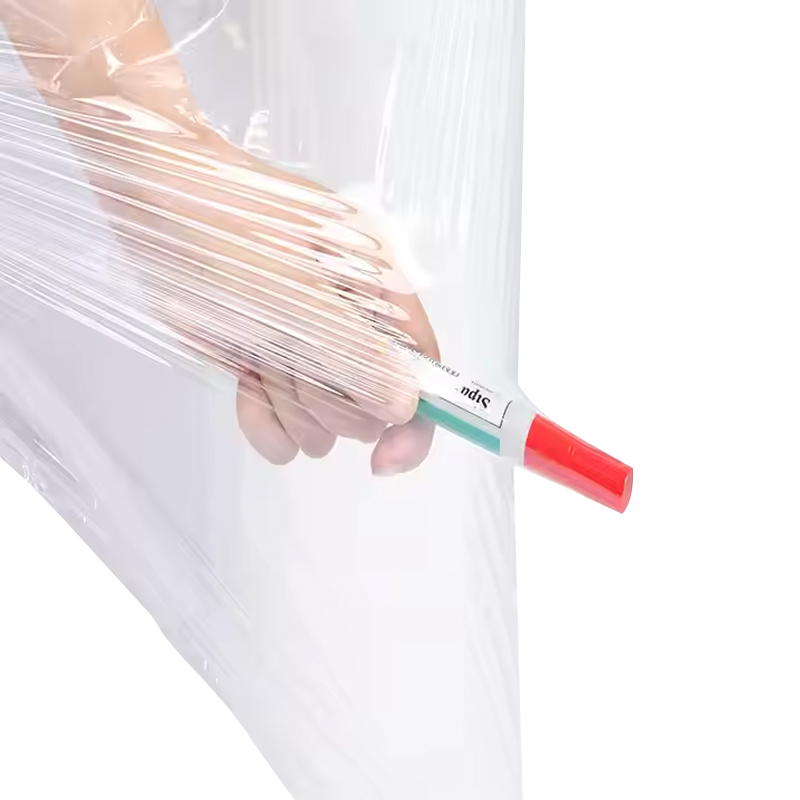
Looking ahead, sustainability will shape machine stretch film’s evolution. Manufacturers (including Berry Global and Sealed Air) are developing recyclable LLDPE variants, aiming to reduce plastic waste while retaining performance. “By 2027, 60% of machine stretch film will be recyclable, aligning with global plastic reduction goals,” Lopez predicts.
Smart technology integration is another trend: films embedded with RFID tags or moisture sensors will allow real-time cargo tracking, adding value beyond basic protection. These innovations position machine stretch film to overtake Shrink Wrap and manual Stretch Film as the dominant Packaging Film solution for automated supply chains in the next decade.
With its blend of efficiency, durability, and adaptability, machine stretch film is not just a packaging upgrade—it’s a critical tool for businesses navigating the demands of a fast-paced, automated global market.